What We Do

Services

The full list of what we pour, finish, and repair.

HomeServices

Everything we take on

Every job below is one we do ourselves across Daytona Beach.

Concrete Driveways

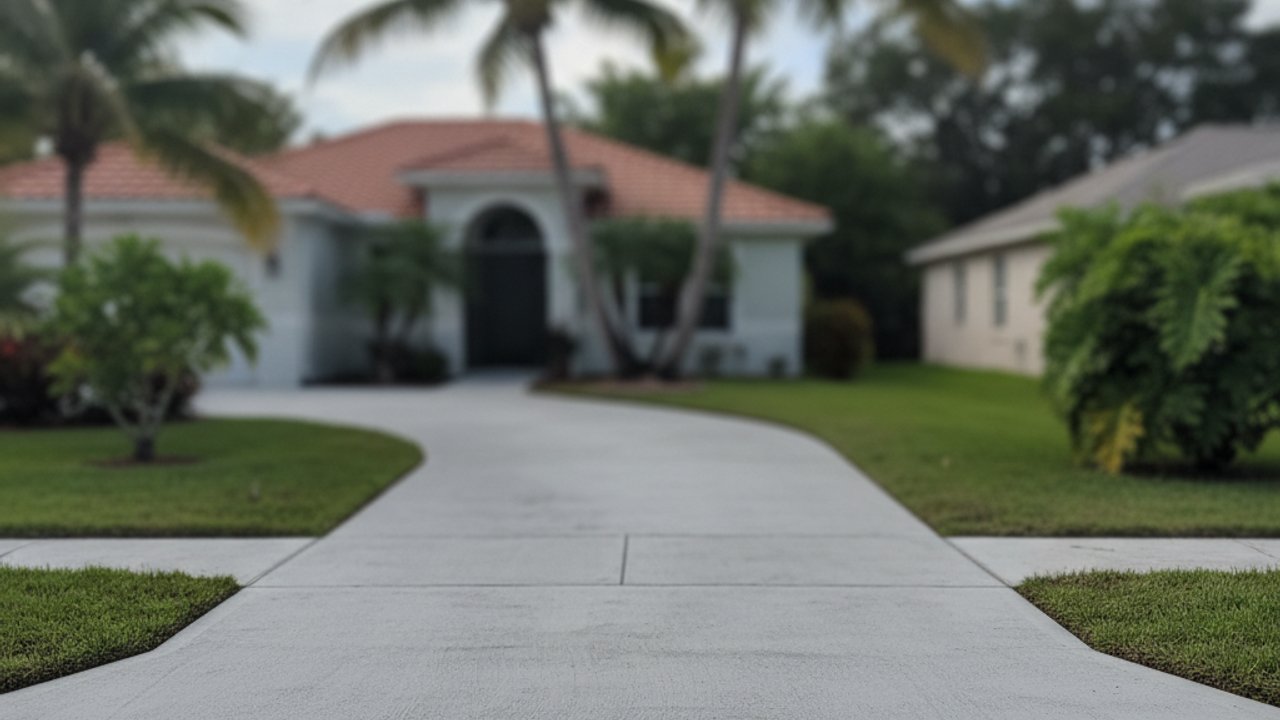
We form and pour driveways over a compacted base, usually several inches of fill or limerock depending on your soil. We reinforce with rebar or wire mesh so the slab holds together as the ground shifts underneath it, which it will here. Plan on keeping vehicles off it for about a week while it cures.

Concrete Patios

A patio slab gets sloped away from the house so water doesn't sit against your foundation after a summer storm. We can finish it broomed, exposed aggregate, or stamped depending on what you want to look at every day. Most patios are walkable within a couple of days and take furniture within a week.

Stamped Concrete

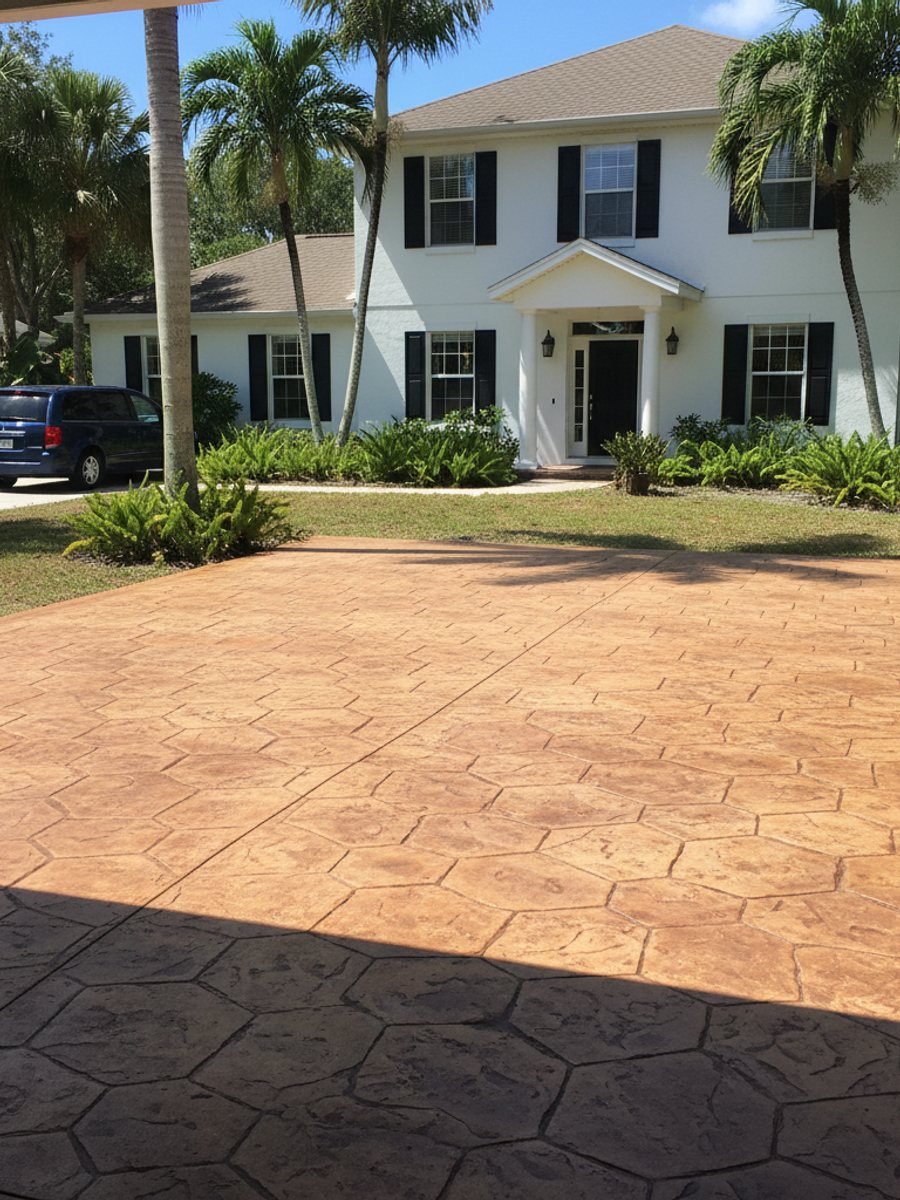
Stamped concrete gets you the look of flagstone, brick, or slate without the joints where weeds and ants move in. We color and texture it while it's still plastic, then seal it once cured so the color holds up under Florida sun. It costs more than a plain broom finish but a lot less than real pavers.

Concrete Repair

Cracks, sunken slabs, and spalled surfaces all get diagnosed before we touch them, because patching a crack that's still moving wastes your money. Small cracks can be routed and filled, but a slab that's settled usually needs mudjacking or a full section replacement. We tell you which one it is before we quote it, not after.

Concrete Slabs & Foundations

We pour slabs for additions, sheds, garages, and workshops, with footings and reinforcement sized to whatever's going on top of it. Florida's water table means drainage and vapor barriers matter more here than in a lot of places. We coordinate with your permit and inspection schedule so nothing gets covered up before it's checked.

Pool Deck Concrete

Pool decks get a broom or knockdown finish with enough texture to stay slip resistant when wet, which around a pool is always. We slope the deck away from the coping and set control joints to keep cracking predictable instead of random. Coatings and stains are available if you want it cooler underfoot in August.

Sidewalks & Walkways

A cracked or heaved walkway is usually a tripping hazard before it's an eyesore. We replace sections to grade and tie new pours into existing concrete with dowels where it makes sense.

Decorative Concrete Curbing

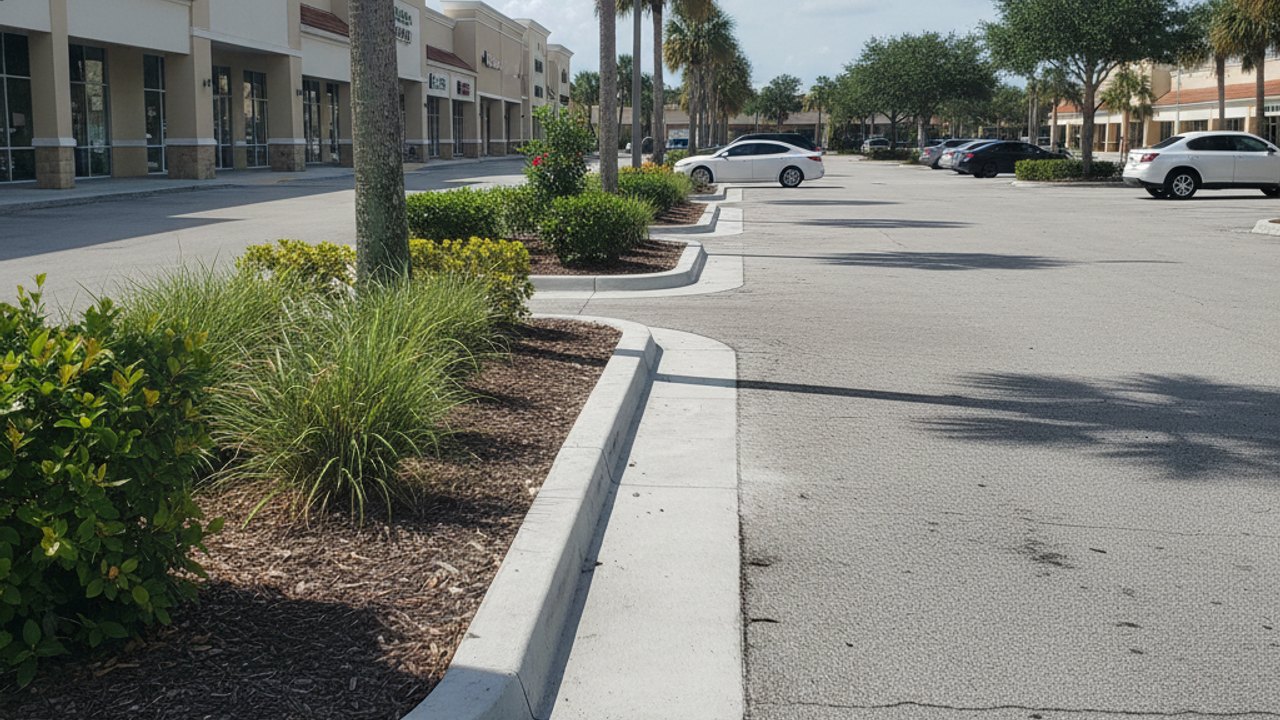
We form and pour decorative curbing for landscape beds and driveway borders. It holds mulch in place and gives you a clean line without re-edging every season.

Garage Floor Concrete

Garage slabs get a vapor barrier before the pour so ground moisture doesn't work its way up through the finished floor. We can broom finish it plain or set it up for an epoxy coating down the road.

Commercial Concrete Flatwork

We also pour flatwork for small commercial jobs, parking pads, dumpster pads, sidewalks tied into ADA requirements. Same base prep and jointing rules apply, just at a bigger scale.

How It Works

Four steps, and no surprises in any of them.

01

We come and look

You tell us what you want doing, we look at what is actually there, and we ask the awkward questions early.

02

You get a price

In writing, itemised, free. If something might add cost later we flag it now rather than at the end.

03

We do the work

Same crew throughout. We cover your floors, keep the dust down and tidy up before we leave each day.

04

We walk it with you

You point out anything you are not happy with and we fix it before the invoice, not after.

Where We Work

All of this, across Daytona Beach, FL

Site visits and estimates cover Daytona Beach and the towns around it.

Daytona Beach, FL
Deltona, FL
Palm Coast, FL
Port Orange, FL
Ormond Beach, FL
DeLand, FL
New Smyrna Beach, FL
Edgewater, FL
Debary, FL
South Daytona, FL
Holly Hill, FL
Orange City, FL
Common Questions

Things worth asking

What tends to come up once a project's actually underway.

Do I need a permit for a new driveway or patio slab?
Most municipalities in Florida require a permit for new concrete flatwork over a certain size, including driveways, patios, and slabs for additions. Permit requirements and fees vary by county and city, and inspections are typically required before and after the pour. A contractor familiar with local codes will usually pull these permits as part of the job.
How long does a typical concrete pour take?
A single driveway or patio pour usually takes one day for forming and pouring, though prep work like excavation and base compaction can add a day or two before that. Curing to a walkable state takes 24 to 48 hours, and full vehicle load strength takes about a week. Larger or stamped jobs take longer because of the extra finishing steps.
Can concrete work be done on a tight budget?
Concrete costs scale with square footage, thickness, and finish, so a plain broom-finished slab costs significantly less than stamped or colored concrete of the same size. Choosing wire mesh over full rebar reinforcement, where structurally appropriate, can also lower cost. A contractor can lay out options at different price points during the estimate.
Do you offer any kind of guarantee on the work?
Reputable concrete contractors typically warranty their workmanship against issues like premature cracking or improper curing for a set period, often one to a few years. Concrete itself develops hairline cracks over time as part of normal curing, which is different from structural failure. It's worth asking exactly what a workmanship warranty covers before the job starts.
Who will I be dealing with during the project?
On most residential concrete jobs, a crew lead or the contractor handles day-to-day communication, scheduling, and any changes that come up on site. It's reasonable to ask for a single point of contact rather than a rotating crew. Clear communication matters most on pour day itself, when timing and weather decisions happen fast.
What kind of concrete mix and reinforcement do you use?
Standard residential flatwork typically uses a 3000 to 4000 psi concrete mix, with rebar or welded wire mesh added depending on the slab's use and soil conditions. Driveways carrying vehicle weight generally call for a stronger mix and more reinforcement than a patio or walkway. A contractor should specify mix strength and reinforcement type in the written quote.
Can I stay in my house while concrete work is being done outside?
Yes, exterior concrete work like driveways, patios, and walkways doesn't require homeowners to leave the property. Access to the affected area gets limited during the pour and initial curing period, usually several days. Noise and truck traffic are the main disruptions, generally limited to the pour day itself.
What should I do to prepare the site before the crew arrives?
Preparing a site for a concrete pour usually means clearing the area of vehicles, furniture, plants, or anything else that needs to move before excavation starts. Sprinkler lines and buried utilities in the work zone should be flagged or marked ahead of time. A contractor will typically confirm what has to be cleared during the estimate visit.
What if you find a problem with the soil or an old slab once work starts?
Unexpected issues like soft or unstable soil, old buried debris, or tree roots under an existing slab sometimes turn up once excavation begins. When that happens, a contractor should stop and explain what was found along with any cost or timeline change before proceeding. Extra base material or soil compaction is the most common fix for unstable ground.
How do I take care of new concrete after it's poured?
New concrete has to cure undisturbed for at least a week before it takes full vehicle weight. Sealing it every few years protects the surface from oil stains, sun fading, and moisture intrusion. Pressure washing at high pressure right after the cure period is worth avoiding, since it can damage the surface finish.

Not sure what you need?

Describe the problem and we will tell you what it probably is. No obligation.
Call (386) 946-6223